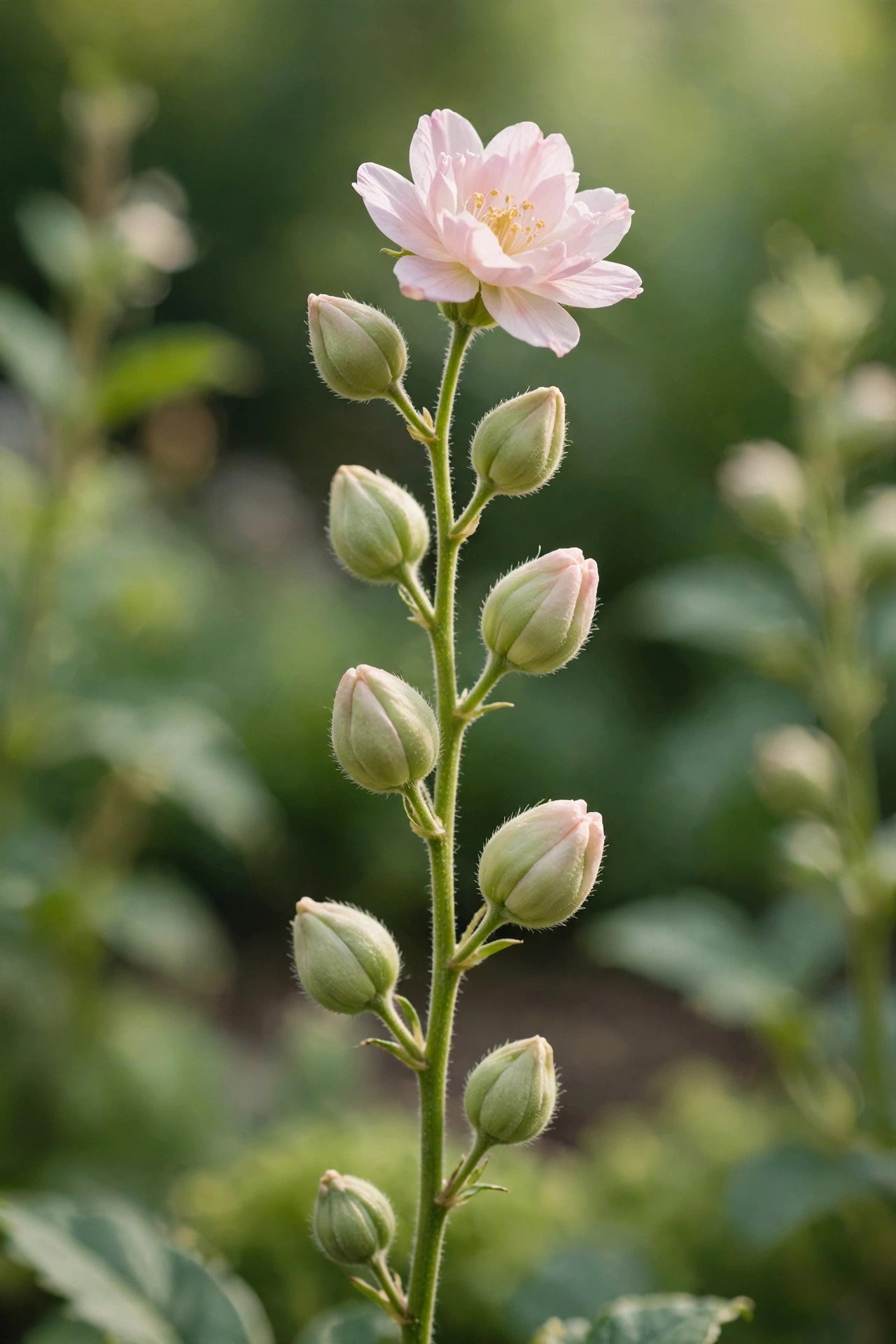
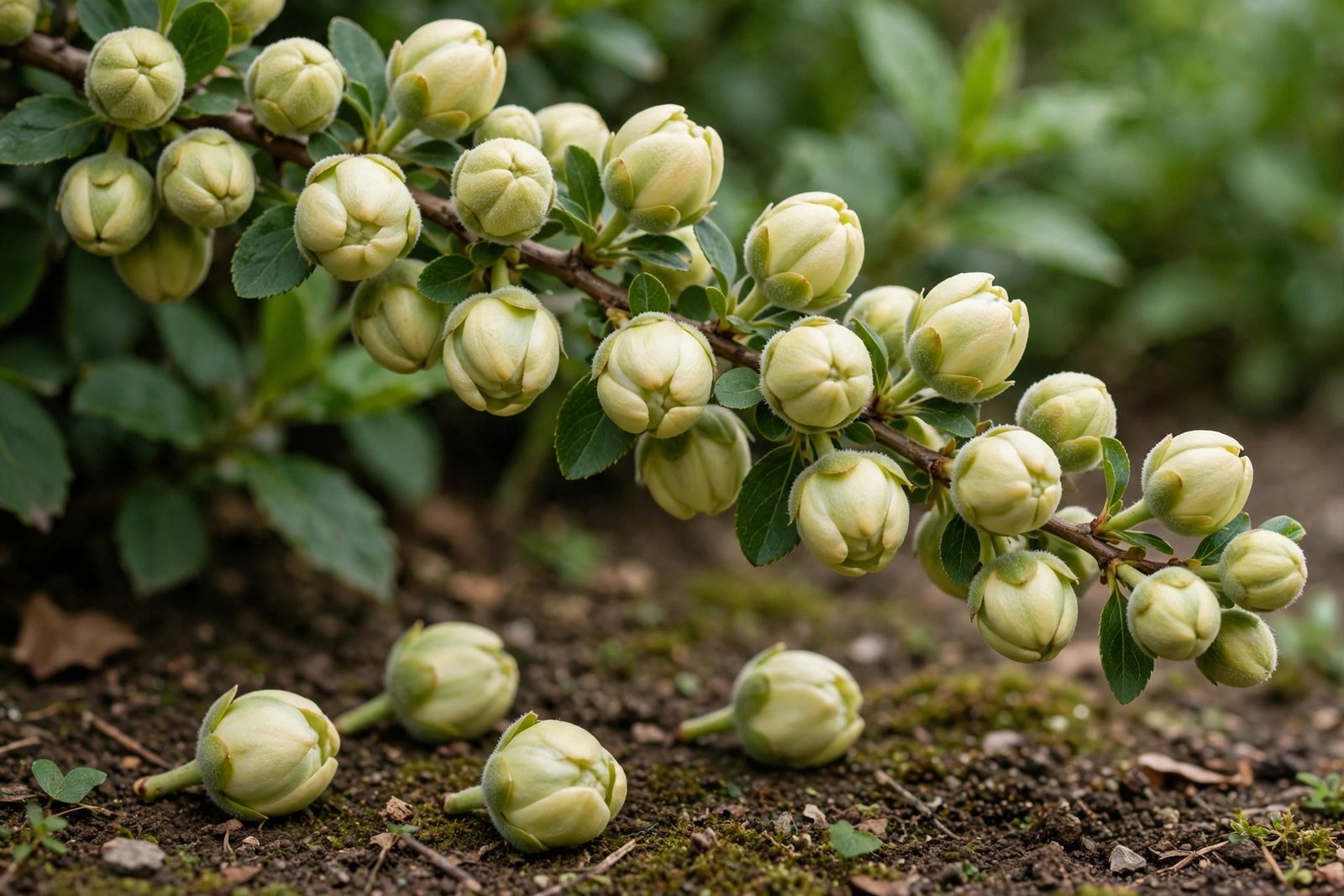
It is one of gardening’s quiet heartbreaks. Your plant covers itself in plump, promising buds. You check them every day, waiting for the show — and then, one by one, the buds yellow, wither, or simply fall to the ground still closed. No flowers, no explanation, just a small pile of what might have been. If this has happened to you, the good news is that bud drop is rarely random, and it is almost never a death sentence for the plant.
Gardeners sometimes call it “bud blast”: a plant under stress deliberately abandons its flowers to protect itself. Buds are expensive for a plant to finish, so they are the first thing it sacrifices when water, temperature, light, or food go wrong. That means bud drop is best read as a message, not a disaster. Something changed, and the plant noticed. Work through the causes below and you will usually find what it was.
Quick Answer
Flower buds most often drop before opening because of inconsistent watering (a dry spell followed by heavy watering), a sudden change in temperature or location, too little light, or too much nitrogen fertiliser. Pests such as thrips and aphids can also damage buds from inside. The fix is steadiness: keep soil evenly moist, avoid moving or shocking a plant that is in bud, feed in balance, and check buds closely for tiny pests. A plant that drops buds this season usually flowers normally once conditions settle.
How to Read the Clues Before You Act
Before treating anything, look closely at the fallen buds, because their condition points to the cause. Buds that are dry, papery, and shrivelled suggest thirst or heat. Buds that turn yellow or mushy and drop while still plump suggest too much water or a sudden shock. Buds with tiny holes, brown streaks, or distortion suggest pests feeding inside. And if only some buds drop while others open happily, the plant may simply be thinning an overload it cannot support — that is normal, not a problem.
Timing matters too. Buds dropping right after you moved the plant, brought it home, or repotted it point to shock. Buds dropping during a heatwave or a cold snap point to weather. Buds dropping slowly over weeks on an unchanged plant point to light or feeding. Match the pattern to the cause, and you will fix the right thing.
Cause 1: Inconsistent Watering
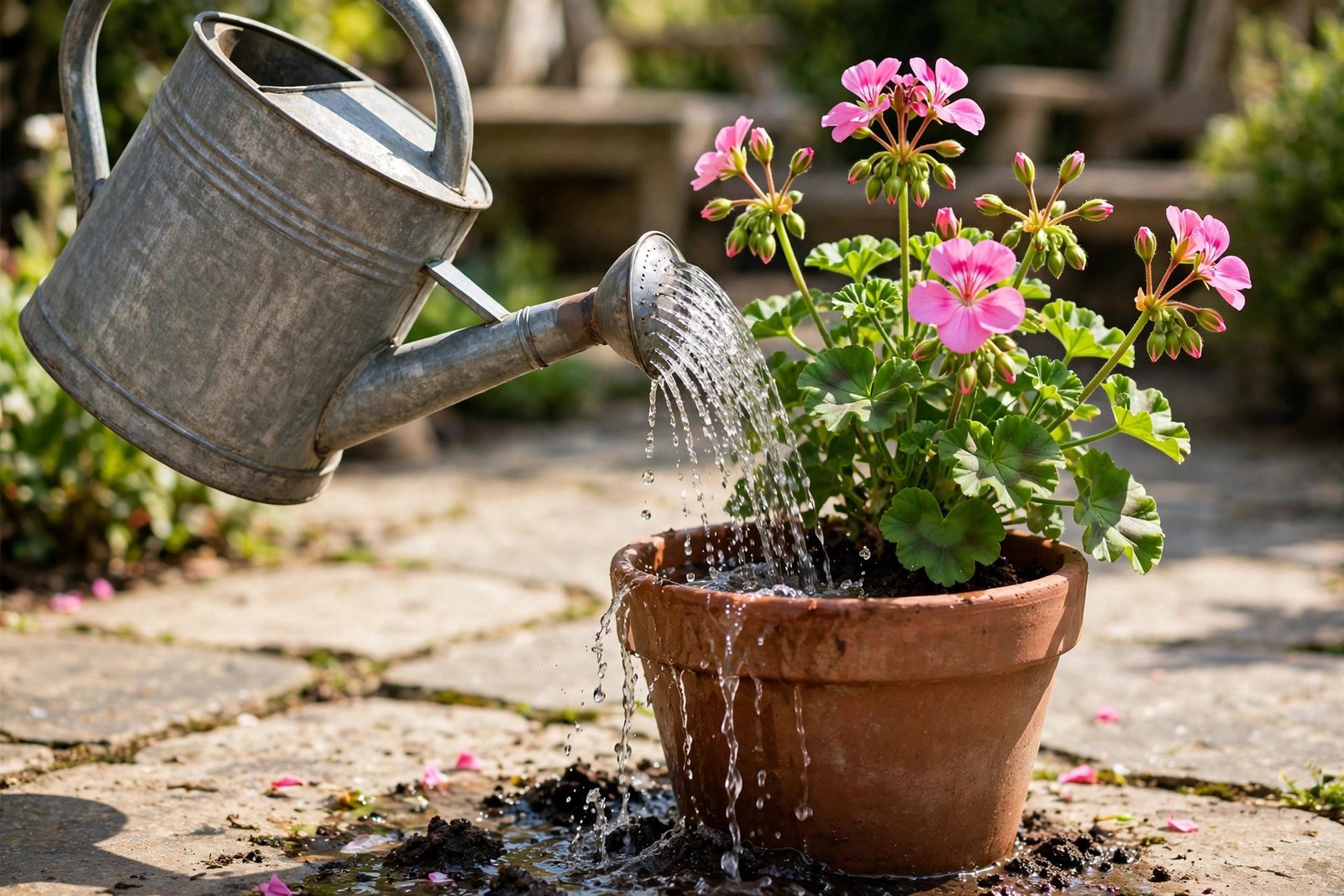
This is the most common cause of all, especially for plants in pots. A plant that dries out badly and is then flooded swings between two stresses, and finishing flowers is the first luxury it gives up. Buds may wither on the plant, or drop whole after a heavy watering because the roots, damaged by drought, cannot cope with the flood that follows.
The fix is rhythm, not quantity: water deeply when the top of the soil feels dry, then let the surface dry slightly before watering again, so moisture stays broadly even. Mulch pots to slow evaporation, and remember that a plant heavy with buds drinks more than usual — the practical tricks in our guide on how to stop pots from drying out so fast are exactly what budding plants need.
Cause 2: Sudden Changes in Temperature or Place
Buds are formed under one set of conditions and are very sensitive to abrupt change. A cold snap just as buds develop, a heatwave, or a sharp drop in night temperatures can blast a whole set of buds in days. Moving is just as risky: a plant bought in full bud from a sheltered shop or nursery and placed on a windy balcony, or a houseplant moved to a brighter windowsill, often drops every bud in protest — then grows perfectly happily afterwards.
You cannot control the weather, but you can reduce shocks. Acclimatise new plants gradually to their spot over a week or so, shelter budding plants from cold nights with fleece, and avoid repotting, pruning, or moving a plant while it is carrying buds you want to keep. Finish the flowers first; do the surgery later.
Cause 3: Not Enough Light
Making flowers takes energy, and energy comes from light. A flowering plant kept in too dim a spot — a houseplant far from a window, or a garden plant increasingly shaded as neighbouring plants grow — may form buds optimistically and then abandon them when the energy budget does not add up. The buds typically yellow slowly and drop over a period of weeks rather than all at once.
The remedy is gradual brightening. Move the plant step by step toward stronger light over a week or two rather than straight into full sun, which would scorch it and cause a shock of its own. Once light levels match what the plant needs, bud retention usually fixes itself.
Cause 4: Feeding That Pushes Leaves, Not Flowers
Heavy feeding with high-nitrogen fertiliser tells a plant to grow leaves and stems, and buds can be crowded out or dropped in the rush of soft growth. The opposite also happens: a starved plant in exhausted soil may start forming buds and then lack the resources to finish them, especially in a pot that has not been fed all season.
Aim for the middle. During the budding and flowering period, use a balanced fertiliser, or one made for flowering plants, at the rate on the label — never stronger. Steady, modest feeding beats occasional heavy doses every time.
Cause 5: Pests Feeding Inside the Buds
Some pests specialise in buds precisely because they are soft and rich. Thrips are the classic culprit: tiny, slender insects that rasp and feed inside developing buds, leaving them streaked, distorted, or brown at the edges before they fall. Aphids cluster on bud stems and drain them. Bud mites and some caterpillars work hidden inside. Roses are frequent victims — pest-damaged buds are one of the threads running through why roses are not blooming as well.
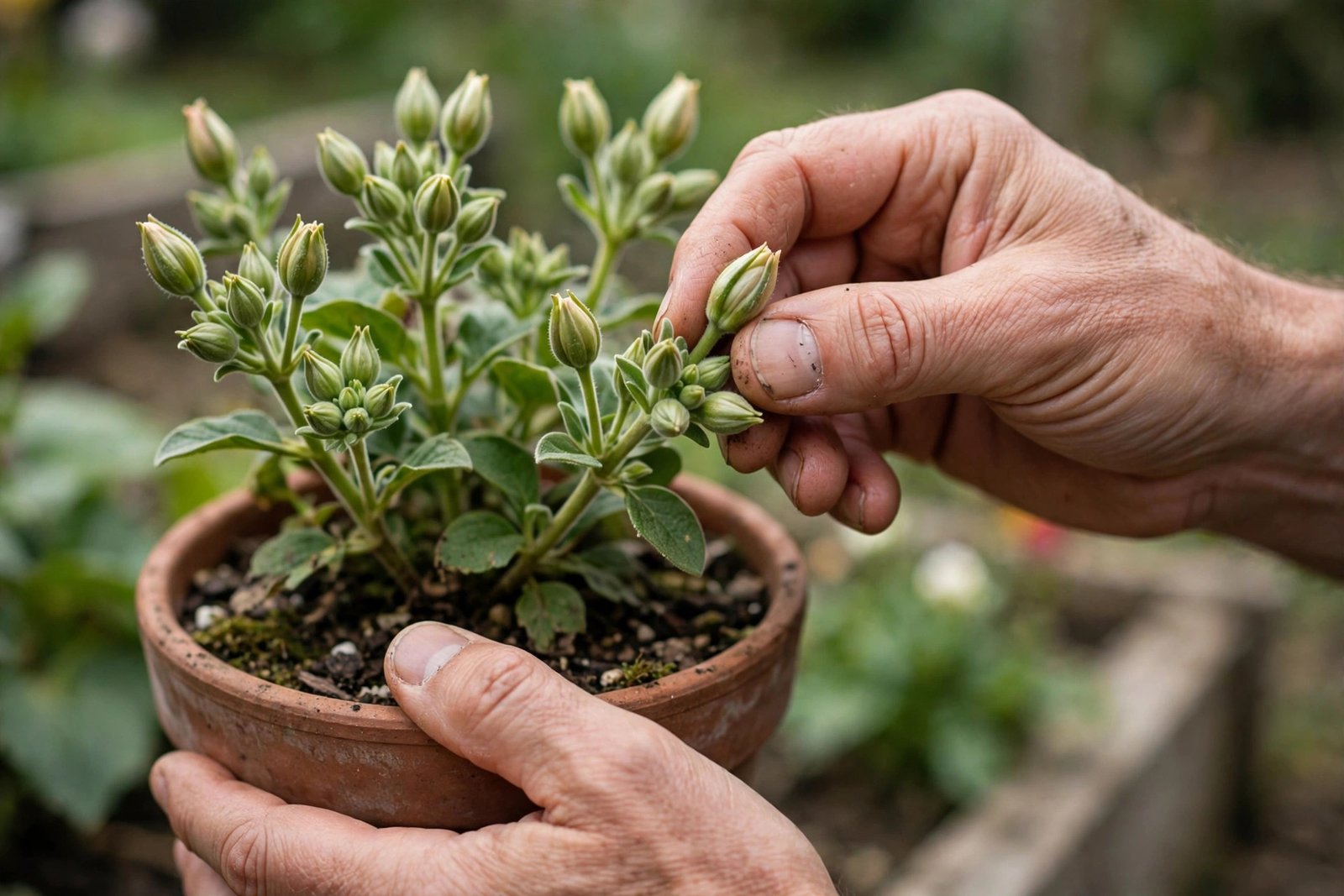
Inspect a few fallen buds by opening them gently; tiny insects, dark specks, or tunnels confirm the diagnosis. A firm jet of water dislodges aphids and some thrips. Pick off and bin badly infested buds so the pests leave with them, keep the area under the plant clear of fallen buds, and improve air flow — most bud pests thrive in still, sheltered conditions.
Cause 6: Too Many Buds, or a Plant That Is Too Young
Finally, some bud drop is simply arithmetic. Many plants routinely set more buds than they can finish and quietly shed the excess — fruit trees and roses both do this as a matter of course. Young plants flowering for the first time often drop most of their buds too; they are rehearsing, not failing. If the plant looks healthy, keeps some buds, and the ones that open are good, the kindest and most correct response is to do nothing at all.
Mistakes to Avoid
- Watering heavily to compensate after a dry spell. The flood-after-drought swing is itself a top cause of bud drop. Return to a steady rhythm instead.
- Repotting or moving a plant in full bud. Almost any disturbance at this stage costs flowers. Wait until flowering finishes.
- Feeding at double strength “to help it recover.” A stressed plant cannot use extra food, and the nitrogen rush pushes leaves at the buds’ expense.
- Spraying for pests without checking first. Open a few fallen buds and confirm something is actually there. Most bud drop is cultural, not insect-related.
- Moving a dim-grown plant straight into full sun. You will trade bud drop for scorched leaves. Brighten its world gradually.
Frequently Asked Questions
Why do buds drop right after I bring a plant home?
Because almost everything changed at once: light, temperature, humidity, and air movement. Buds formed in the sheltered, even conditions of a nursery are easily blasted by the move. The plant itself is usually fine — let it settle, water steadily, and the next set of buds it makes in your conditions will be far tougher.
Should I pick up and remove fallen buds?
Yes. Fallen buds under a plant can harbour pests and fungal disease, and clearing them away breaks that cycle. Bin them rather than composting them, especially if pests were the cause.
Will a plant that dropped its buds flower again in the same season?
It depends on the plant. Repeat-flowering types often produce a new flush of buds a few weeks after conditions improve. Once-flowering plants generally wait until next season. Either way, fixing the cause now is what guarantees the next attempt succeeds.
My indoor plant drops buds every winter. Why?
Winter indoors usually means the weakest light of the year combined with dry, heated air — a classic bud-drop combination. Move the plant to your brightest spot, keep it away from heat sources that dry the air, and water evenly. Buds formed in better light later in the year usually stay on.
Conclusion
Bud drop is a plant protecting itself, not failing you. Steady water, stable conditions, balanced feeding, enough light, and a quick check for hidden pests solve the great majority of cases — and the plant almost always tries again. For more flower care, plant problem-solving, and seasonal guides, explore our flower gardening and bloom problems category.