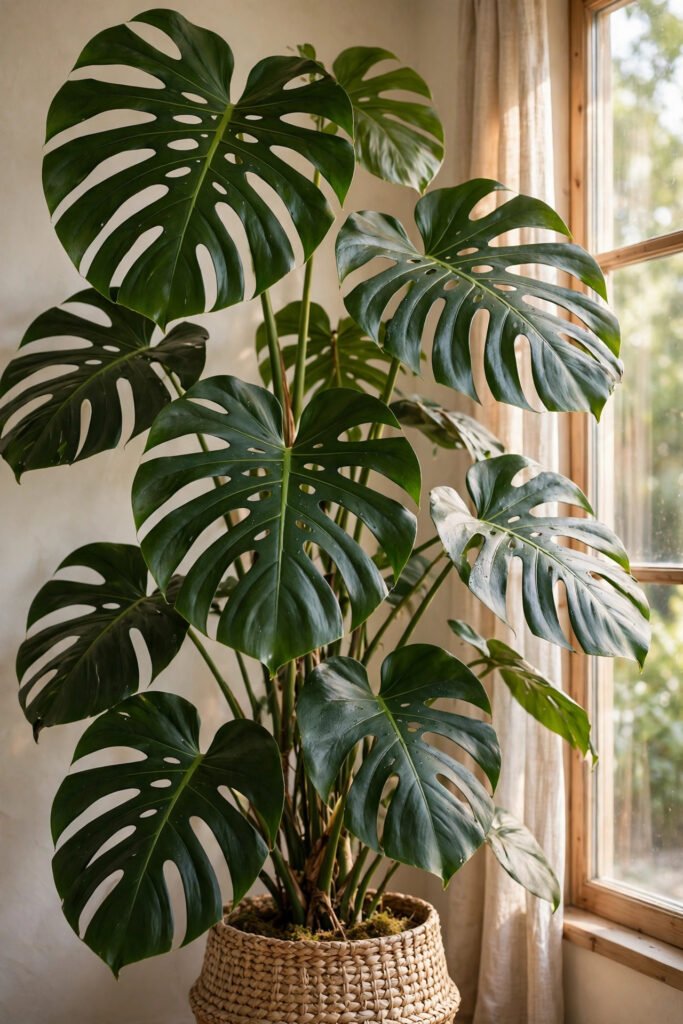

A monstera that stops growing can be quietly frustrating. You water it, you talk to it, you check it every few days — and still, no new leaf. When weeks pass without that exciting sight of a fresh, furled leaf pushing out, it is natural to worry that something is seriously wrong. In most cases, though, a monstera that is not growing is not sick. It is simply waiting for one basic need to be met properly.
Monsteras are generous plants, but they only spend energy on new leaves when light, water, food, and root space are all reasonably balanced. If even one of those slips, the plant quietly pauses growth to protect itself. This guide walks you through the seven most common reasons a monstera stops producing new leaves, how to recognise each one, and the exact steps that encourage it to start again.
Quick Answer
The most common reason a monstera is not growing new leaves is not enough light. The next most likely causes are the natural rest period during the darker, cooler months, a pot the roots have outgrown, irregular watering, a lack of nutrients, no support to climb, and stress after repotting or moving. Check the light first: most monsteras sit too far from a window. Move the plant closer to bright, indirect light, keep watering steady, and growth usually restarts within a few weeks once conditions improve.

First, Is Your Monstera Really Stuck?
Before changing anything, it helps to know what normal monstera growth looks like. During its active growing period — usually the brighter, warmer months of the year — a healthy, mature monstera typically produces about one new leaf every four to six weeks. Young plants often grow more slowly.
Look closely at the newest stem. A growing monstera usually shows a pointed new tip, called a growth point, slowly swelling or extending. If that tip looks firm and green, your plant is preparing — it may just need more time or slightly better light. If months have passed with no change at all, and it is the bright season where you live, one of the seven reasons below is almost certainly the cause. If your plant also looks pale or stretched, our guide to the signs your indoor plant is not getting enough light will help you confirm whether light is part of the problem.
7 Reasons Your Monstera Is Not Growing New Leaves
1. It Is Not Getting Enough Light
This is the cause behind most slow monsteras. A monstera can survive in a dim corner, but surviving is not the same as growing. Without enough light, the plant simply does not have the energy to build a big new leaf, so it waits. Telltale signs include long gaps between leaves on the stem, smaller new leaves than the older ones, and few or no splits (fenestrations) in new growth.
The fix: move your monstera gradually closer to a bright window over about a week, so the leaves can adjust. Aim for several hours of bright, indirect light every day. A spot a short distance from a sunny window, where the harsh midday rays do not fall directly on the leaves for long, suits most homes. Growth usually becomes visible again within a few weeks.
2. It Is Resting During the Darker Months
Monsteras follow the seasons, wherever in the world they live. When days become shorter and light levels drop, most monsteras slow right down or stop growing altogether. This is normal and healthy — the plant is resting, not failing. Forcing growth at this time with extra fertiliser rarely helps and can actually harm the roots.
The fix: be patient and reduce your care slightly. Water a little less often, pause feeding, and simply wait for the brighter months. When the days lengthen again, your monstera will almost always wake up and start pushing out new leaves on its own.
3. Watering Is Irregular
A monstera that swings between very dry and soaking wet spends its energy coping instead of growing. Soil that stays dry for long periods slows growth to a crawl, while soil that stays constantly wet damages roots — and damaged roots cannot support new leaves. Steady, moderate moisture is what this plant prefers.
The fix: water when the top few centimetres of soil feel dry, then water thoroughly until it drains from the bottom of the pot, and empty the saucer afterwards. If watering routines are a weak spot in your home, our simple guide on how often you should water indoor plants explains an easy check-first method that works for monsteras and almost every other houseplant too.
4. The Roots Have Outgrown the Pot
After a year or two, monstera roots can fill the pot completely. When that happens, there is little room for new roots, water runs through quickly without being absorbed, and growth slows even though you are caring for the plant well. Check the drainage holes: roots poking out, circling on the surface, or a pot that feels hard and full when you squeeze it gently all point to a root-bound plant.
The fix: repot into a container only slightly larger — about 3–5 cm (1–2 inches) wider — with fresh, loose potting mix and drainage holes. Gently loosen the outer roots before settling the plant in. Give it a few weeks to settle, and new growth usually follows.
5. It Has Run Out of Nutrients
Potting soil only feeds a plant for a limited time. A monstera that has lived in the same soil for a year or more, or has never been fed, may simply be out of fuel. Signs include slow growth, pale leaves and a plant that looks tired rather than sick.
The fix: during the active growing season, feed with a balanced liquid houseplant fertiliser at the strength recommended on the label, roughly once a month. Fresh potting soil at repotting also gives the plant a welcome boost. Do not overfeed, and stop feeding during the rest period.
6. It Has Nothing to Climb
In nature, monsteras climb trees toward the light, and climbing triggers their biggest, most beautiful leaves. Without a support, a monstera growing sideways along the floor or trailing down from a shelf may grow more slowly and produce smaller leaves.
The fix: give the main stem a sturdy support, such as a moss pole, coir pole, or a simple strong stake, and tie it in gently as it grows. You will not see instant results, but over a few months the new leaves should be larger and more dramatic.

7. It Is Recovering From Stress or Pests
Repotting, moving house, a sudden cold draught, or a pest problem can all pause growth for weeks while the plant recovers. In particular, check for pests on the undersides of leaves and in leaf joints, especially after bringing a new plant home.
The fix: deal with any pests first — wipe leaves clean with a damp cloth and check weekly until no more appear. After a move, repot, or cold draught, simply give the plant a few weeks of steady, gentle care in a warm, bright spot. Resist the urge to feed or repot again while it recovers. If you also notice damaged leaf edges, see our guide to brown leaf tips on indoor plants.
How to Restart Growth, Step by Step
- Improve the light first. Move the plant closer to a bright window over several days. This single change solves the problem most often.
- Check the roots. Look at the drainage holes and the soil surface. If the pot is packed with roots, repot one size up.
- Settle into a watering rhythm. Water deeply when the top of the soil is dry, and always drain away the excess.
- Add a support. Fit a pole and tie in the main stem so the plant can climb.
- Feed lightly in the growing season. Use a balanced houseplant fertiliser as directed on the label, and pause during the rest period.
- Wait and watch the growth point. Give the plant four to six weeks. A swelling new tip means your changes are working.
Mistakes to Avoid
- Repotting into a much bigger pot. Too much extra soil stays wet for too long and can rot the roots. Always move up just one size.
- Feeding a plant that is resting or unwell. Fertiliser cannot replace light, and it can burn roots in a plant that is not actively growing.
- Moving the plant into harsh, direct sun suddenly. Leaves unaccustomed to strong sun can scorch. Increase light gradually over a week or so.
- Watering more to “encourage” growth. Extra water is a common response, but soggy soil slows a monstera down even further and can lead to root rot. Read our guide to brown leaf tips on indoor plants and other leaf damage.
- Giving up too soon. A monstera adjusting to better conditions may need a month or more before a new leaf appears.
Frequently Asked Questions
How long can a monstera go without a new leaf?
During its rest period, two to four months without a new leaf can be completely normal. If a full bright growing season passes with no growth, however, check light, roots and watering.
Why does my monstera grow leaves without splits?
Young monsteras naturally produce plain, heart-shaped leaves first. Splits appear as the plant matures and gets brighter light, a support to climb, and room for its roots.
Should I cut off old leaves to encourage new growth?
No. Healthy green leaves feed the plant through photosynthesis, and removing them slows growth rather than speeding it up. Remove a leaf only if it is dead, damaged, or diseased.
Will a grow light help a monstera that is not growing?
Yes, if low light is the cause. A simple grow light placed above the plant for roughly 10–12 hours a day can help. It will not fix a root-bound plant, bad watering, or a plant resting through the darker months.
A Final Word
A monstera that pauses is rarely a monstera in trouble. Work through the basics in order — light, season, water, pot, food, support and stress — and you will almost always find the hold-up. Give it a few weeks in better conditions, and look for the pointed tip of a new leaf: that is your sign that your monstera is back on track.